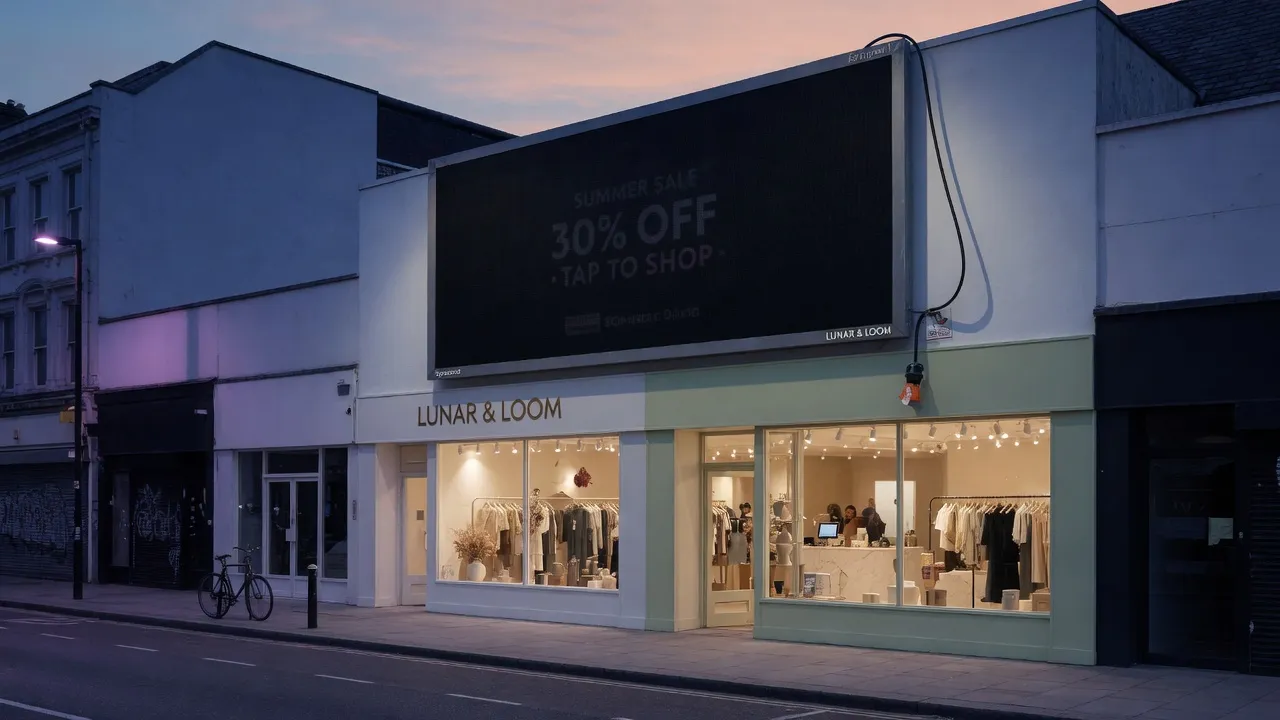
Featured image may be generated using AI.
thoughts
When the platform that built your business decides to unbuild it
A few weeks ago, a boutique fashion brand called St Frock had its one-million-strong Facebook page suspended without warning. The founder had been spending over $1.2 million a year on the platform for more than a decade. In one automated email, that channel disappeared, as reported by the Australian Financial Review.
Most coverage treated this as a customer-service horror story. The deeper issue is simpler: she had built the majority of her growth on rented land, and one day out of the blue, the landlord decided to change the locks.
That’s the part that should make any business owner pause. Not because Meta is uniquely evil, but because the incentives are clear. Platforms optimise for their own metrics, not yours. When enforcement, policy, or algorithm shifts hit, the cost is rarely shared.
The real expense isn't the ad spend
It's the years of customer relationships, brand equity, and revenue that lived only inside someone else's database, Facebook in this case. Email lists, direct communities, and owned channels feel harder, slower and more expensive until the day they're the only thing left standing.
I regularly come across businesses that lean too heavily on a single ad platform. The short-term growth numbers might look impressive but the long-term risk only shows up when the platform changes its mind.
That said, complete avoidance of platforms isn't realistic for most businesses, nor is it what I am advocating for. The practical question is balance: how much of your growth engine lives on assets you actually control?
What single channel are you most exposed on right now?
Ready to have a serious look at your marketing approach? Book a discovery call and let’s get started.
